
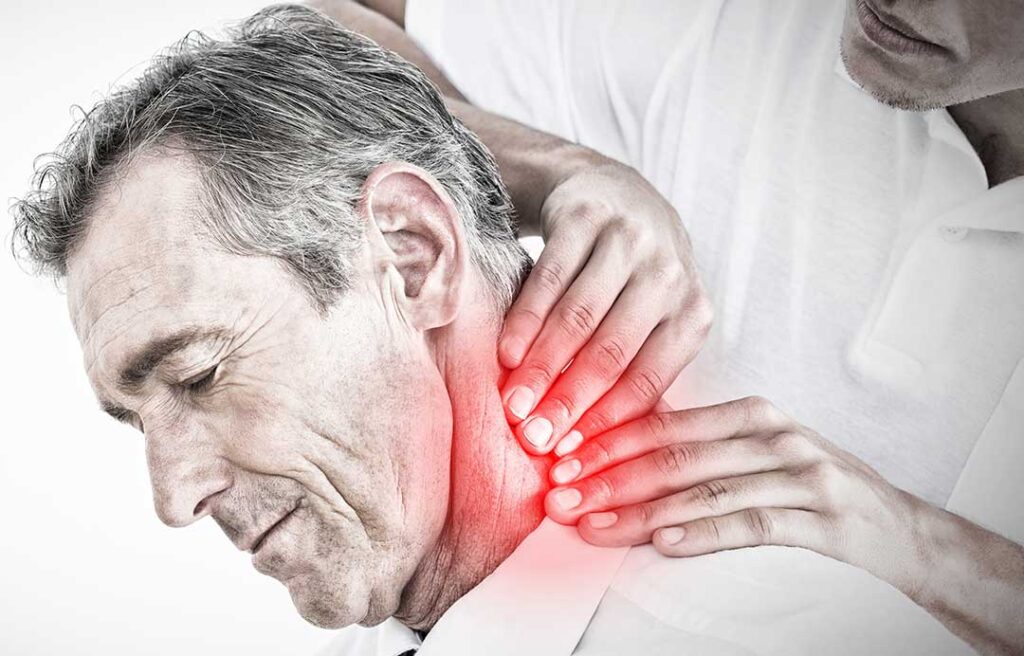
Healthy aging is less about avoiding every ache and more about preserving mobility, strength, balance, and independence over time. Chiropractic care may support that goal for some adults, particularly when it is used as part of a broader plan that includes exercise, medical care, fall prevention, and healthy daily habits.
Chiropractic treatment commonly includes spinal or joint manipulation, mobilization, exercise guidance, and advice about movement. Its most established role is helping some people manage musculoskeletal problems such as back pain, neck discomfort, stiffness, and reduced movement. It does not reverse aging, rebuild damaged cartilage, or treat every cause of pain.
Can chiropractic care help older adults stay active?
It may help some older adults move more comfortably, especially when pain or stiffness makes walking, household tasks, or exercise difficult. Research summarized by the National Center for Complementary and Integrative Health indicates that spinal manipulation can produce modest improvements in pain and function for some people with acute or chronic low-back pain. Function may include standing, walking, sleeping, and completing household activities. ([nccih.nih.gov](https://www.nccih.nih.gov/health/spinal-manipulation-what-you-need-to-know?utm_source=openai))
That distinction matters. The goal is usually not simply to “realign” the body, but to improve practical movement and make appropriate activity more manageable. For example, a person who has difficulty bending to put on shoes might work on pain relief, hip and back mobility, leg strength, and safer movement habits.
Older adults in Endicott may also face seasonal challenges. Snow, ice, uneven walkways, and prolonged periods indoors can reduce activity and increase stiffness. A care plan that emphasizes safe movement throughout the year may be more useful than treatment focused only on occasional adjustments.
What benefits are realistic?
Possible benefits depend on the individual, the diagnosis, and the treatment approach. Chiropractic care may support:
- Short-term relief of some types of low-back or neck pain
- Improved spinal or joint mobility
- Greater comfort during walking and household activities
- A gradual return to exercise after a period of inactivity
- Education about posture, lifting, pacing, and movement strategies
Evidence is stronger for certain musculoskeletal complaints than for broad claims about whole-body wellness. There is not good evidence that spinal manipulation prevents dementia, controls blood pressure, strengthens bones, or treats internal diseases. It should not replace medical treatment for osteoporosis, arthritis, neurological disease, heart problems, or other chronic conditions.
Healthy aging also requires aerobic activity, muscle strengthening, and balance exercises. Adults age 65 and older are generally advised to include at least 150 minutes of moderate physical activity each week, along with muscle-strengthening activity and balance work, adjusted for ability and health status. ([cdc.gov](https://www.cdc.gov/physical-activity-basics/adding-older-adults/what-counts.html?utm_source=openai))
Does chiropractic care prevent falls?
Chiropractic care alone should not be considered a fall-prevention program. Falls are influenced by many factors, including leg weakness, impaired vision, medication side effects, blood-pressure changes, balance problems, foot conditions, home hazards, and walking difficulty. ([nia.nih.gov](https://www.nia.nih.gov/health/falls-and-falls-prevention/falls-and-fractures-older-adults-causes-and-prevention?utm_source=openai))
Chiropractic care may play a supporting role when mobility limitations or pain affect gait. A thorough approach may include discussion of:
- How confidently a person walks on different surfaces
- Whether pain causes shortened steps or guarded movement
- Ability to rise from a chair
- Hip, ankle, and spinal mobility
- Balance during turning or reaching
- Activity changes during winter weather
Fall prevention usually requires more than hands-on treatment. Strength and balance training, vision checks, medication reviews, adequate lighting, secure stair railings, and removal of loose rugs or clutter are all practical measures recommended by public health authorities. ([cdc.gov](https://www.cdc.gov/falls/prevention/index.html?utm_source=openai))
Is chiropractic treatment safe for older adults?
Many older adults tolerate appropriately selected manual therapy, but age alone does not determine safety. Bone density, medications, prior surgery, joint replacements, cancer history, neurological symptoms, and other health conditions must be considered before treatment.
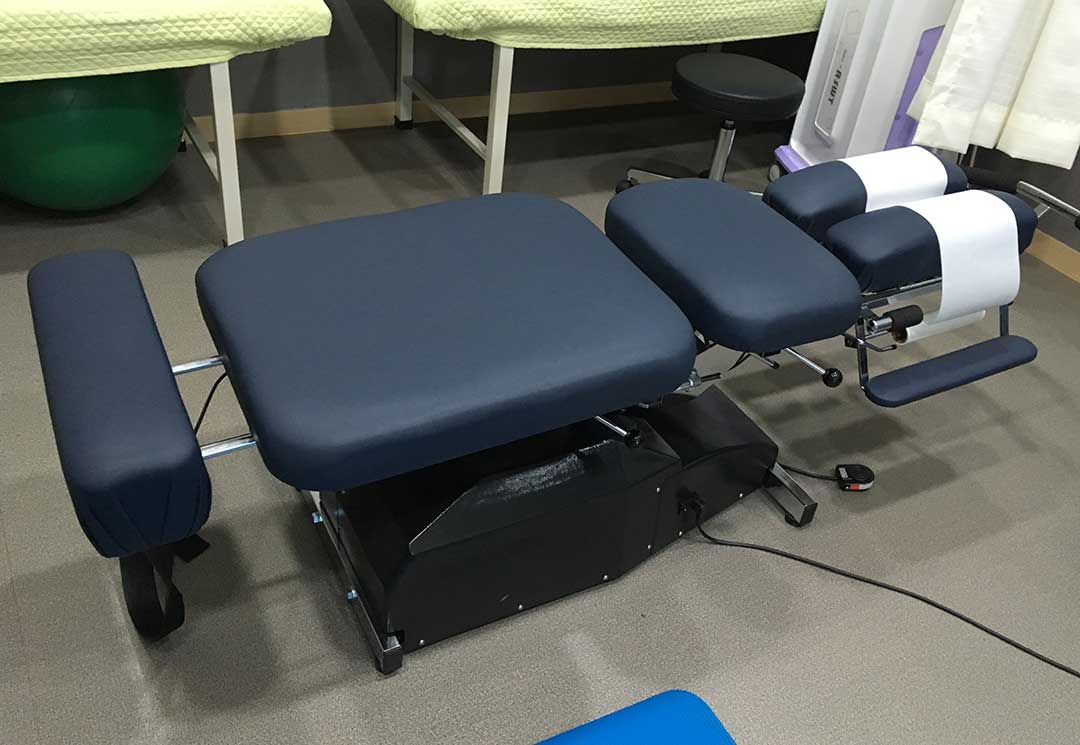
Gentle mobilization, exercise, stretching, or positioning may be more suitable than forceful techniques for some individuals. A careful health history should include osteoporosis or osteopenia, blood-thinning medication, recent falls, fractures, unexplained weight loss, and changes in strength or sensation.
Temporary soreness or increased discomfort can occur after treatment. Severe or unusual symptoms require prompt medical evaluation. Urgent warning signs include new loss of bladder or bowel control, progressive weakness, numbness in the groin area, severe pain after a fall, fever with back pain, chest pain, sudden dizziness, or difficulty speaking.
A person with known or suspected osteoporosis should not assume that all spinal techniques are appropriate. Bone health deserves separate attention through medical evaluation, recommended screening, nutrition, resistance exercise, and fall-risk reduction.
How should chiropractic care fit with other healthcare?
The safest role is coordinated care rather than isolated care. Persistent pain may arise from osteoarthritis, spinal stenosis, fracture, nerve compression, inflammatory disease, infection, or another condition requiring medical assessment. A chiropractor may help with musculoskeletal evaluation and movement, while a physician, physical therapist, pharmacist, or other clinician may address additional risks.
Communication is especially helpful when an older adult takes several medications or has multiple health conditions. For example, dizziness from medication and limited ankle mobility may both contribute to falls, but they require different solutions.
Treatment should also be reassessed if function is not improving. Repeated care without a clear diagnosis, measurable progress, or a plan for maintaining gains is not a strong foundation for healthy aging.
What can local residents do between visits?
Daily habits often have more influence on long-term function than any single treatment. Practical steps include:
- Take short walks indoors or outdoors when surfaces are safe.
- Use handrails and wear secure, nonslip footwear during icy conditions.
- Practice rising from a sturdy chair if it can be done safely.
- Add strength exercises for the legs, hips, back, arms, and abdomen as tolerated.
- Include balance activities with support nearby.
- Break up long periods of sitting, especially during cold-weather indoor routines.
- Keep pathways, stairs, entrances, and bathrooms well lit and free of tripping hazards.
- Keep a record of falls, near-falls, pain patterns, and activities that worsen symptoms.
The most useful measure of progress is often function: walking farther, standing longer, climbing steps more confidently, sleeping better, or completing daily tasks with less limitation. Chiropractic care can be one component of that process, but healthy aging is best supported by a balanced plan that protects mobility, strength, safety, and independence.
