
What Is Sciatica and Why Does It Hurt?
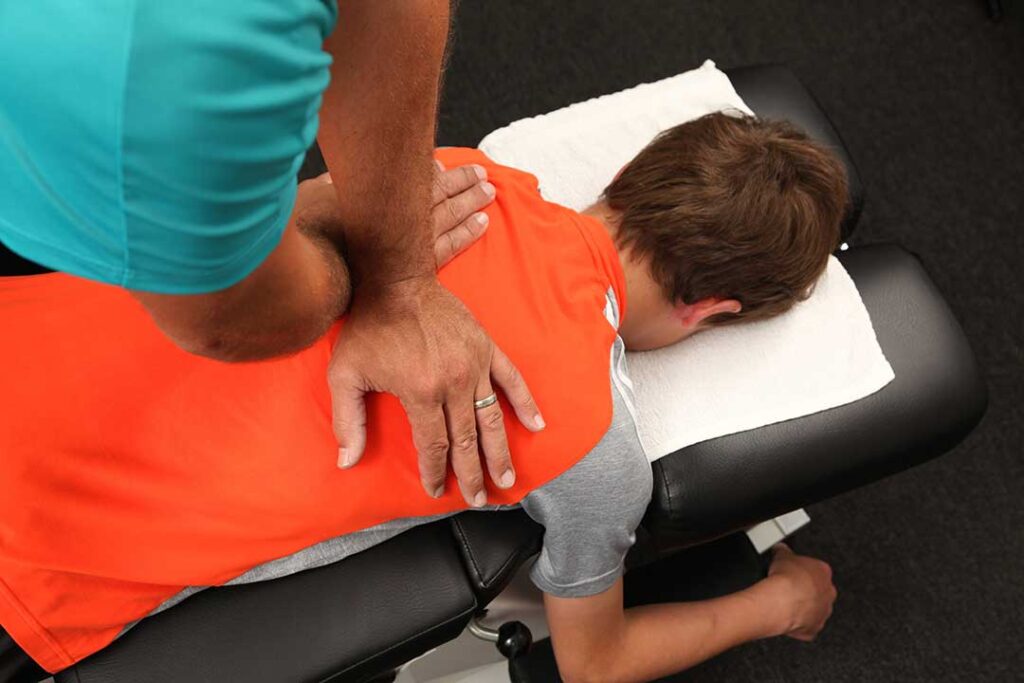
Sciatica is a common condition where pain radiates along the path of the sciatic nerve, which runs from the lower back through the hips and down each leg. For many residents in Endicott, this pain can be sudden or chronic, often caused by a herniated disc, spinal stenosis, or prolonged sitting. Sciatic pain can feel sharp, burning, or even numb, making daily activities challenging, particularly in environments where weather or home layouts may not encourage much movement.
How Can Movement and Exercise Help Sciatica?
Gentle movement and tailored exercises can reduce inflammation and prevent stiffness. For most people in the city, daily routines involve driving, sitting at work, or being stationary indoors—factors that may worsen symptoms.
Residents often see improvement by adding:
- Short, brisk outdoor walks when weather allows
- Simple stretches such as knee-to-chest, seated spinal twists, and gentle hamstring stretches
- Low-impact activities like swimming in local pools or practicing yoga at home
Strengthening core and back muscles also helps support the spine, but exercises should be comfortable and pain-free. Overdoing vigorous movements can make symptoms worse, so start slowly and listen to your body.
Are There Home Remedies That Ease Sciatica Pain?
Many in the community use home strategies to manage discomfort. Applying ice packs during the first 48 hours of a flare-up can reduce swelling, while heating pads or warm baths may relax tense muscles later on.
These approaches are often practical:
- Lie on your back with a pillow beneath your knees to take pressure off the lower spine
- Use a firm mattress or supportive cushions for added comfort during sleep
- Consider adjusting your workspace for better posture—especially important for those working remotely
It's a misconception that prolonged bed rest brings relief. In fact, gentle movement and periodic standing reduce irritation better than inactivity.
Can Diet or Lifestyle Changes Affect Sciatica?
Inflammation plays a role in nerve pain, and certain daily habits may affect how often symptoms recur. Residents who spend much of winter indoors may be at higher risk for vitamin D deficiency, which can influence muscle function.
Small adjustments with local relevance:
- Incorporate leafy greens, berries, nuts, and foods rich in omega-3s to help lower inflammation
- Stay hydrated, particularly during dry, heated winter months
- Maintain a comfortable weight to avoid additional strain on the lower back
Limiting heavy lifting and being mindful of body mechanics while shoveling snow or tending to gardens are seasonal considerations in the area.
Does Weather Impact Sciatica Pain Flare-Ups?
People in Endicott sometimes notice symptom changes with shifting weather patterns. Drops in temperature, dampness, or approaching storms may make nerve pain more noticeable. While science hasn't fully explained this link, local reports suggest planning activities during milder weather, using heated blankets, or layering clothing may bring comfort during colder months.
What Role Does Posture Play?
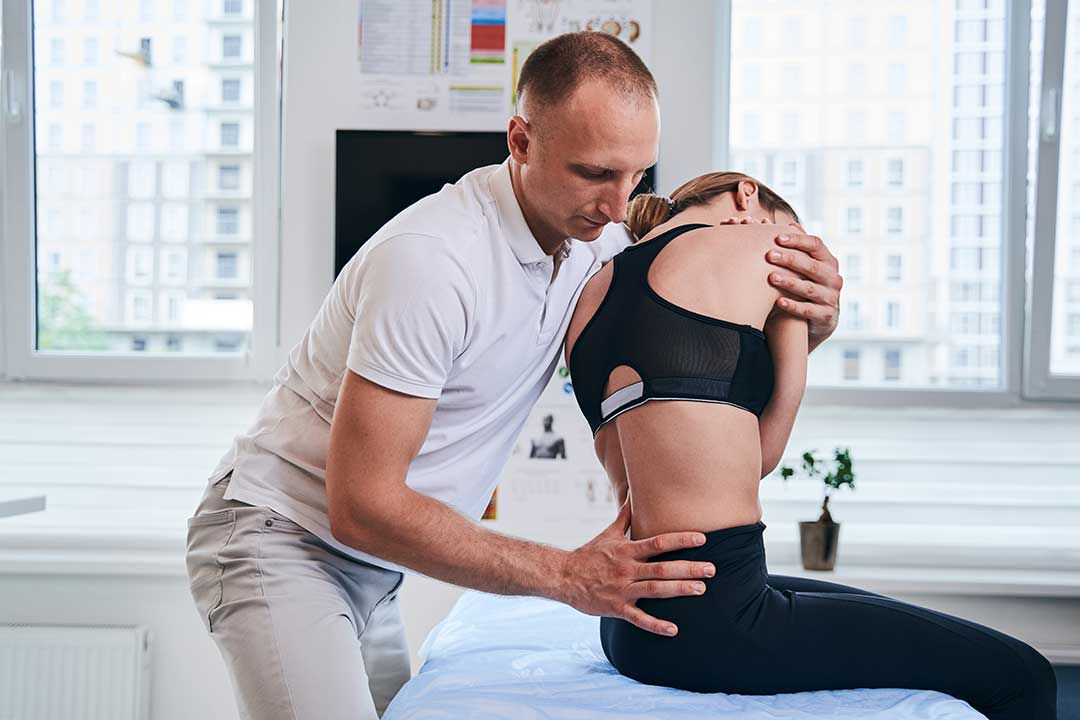
Poor posture from common habits—like slouching at a desk, long hours in front of a computer, or hunching over while using phones—can lead to increased pressure on spinal discs and nerves. Residents living in older homes or apartments with less ergonomic furniture often find that simple changes make a difference:
- Adjust chair height so feet rest flat on the floor
- Use a lumbar support cushion
- Take breaks every 30-60 minutes to stand and stretch
Creating a supportive environment at home is a low-cost, effective strategy.
When Should Sciatica Be Assessed by a Medical Professional?
Natural approaches help with mild to moderate sciatic pain, especially if symptoms improve with rest and activity changes. However, if pain is severe, does not improve, or is accompanied by loss of bladder or bowel control, weakness, or numbness in the legs, it is essential to seek prompt medical evaluation. These signs may indicate more serious nerve or spinal conditions that require professional care.
Local emergency departments and clinics are prepared for such cases, and early evaluation is particularly important after accidents, falls, or sudden symptom onset.
Are There Other Natural Strategies Locally Accessible?
Residents have access to several supportive practices for managing sciatica:
- Gentle self-massage or foam rolling to relax tense muscles along the lower back and thighs
- Practicing relaxation or mindful breathing to manage stress, as tension can increase pain perception
- Applying topical arnica or menthol-based creams for temporary relief (always check for skin sensitivity)
Integrating these with movement and thoughtful daily habits can lead to meaningful improvements in comfort.
